Ocean Microbes Group

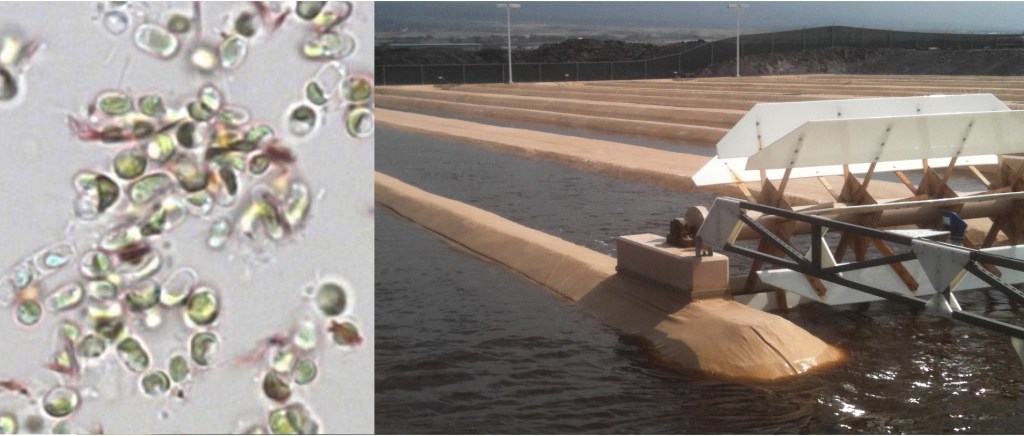
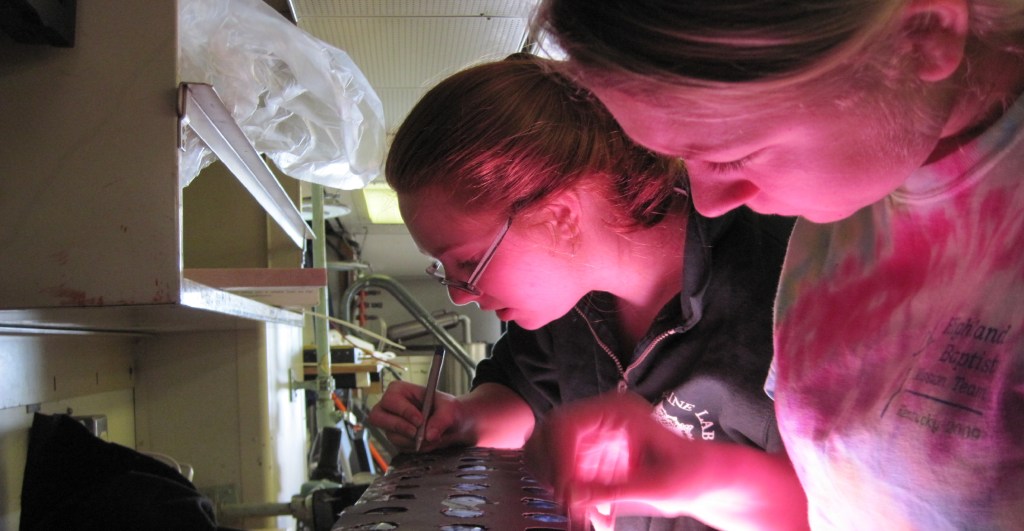
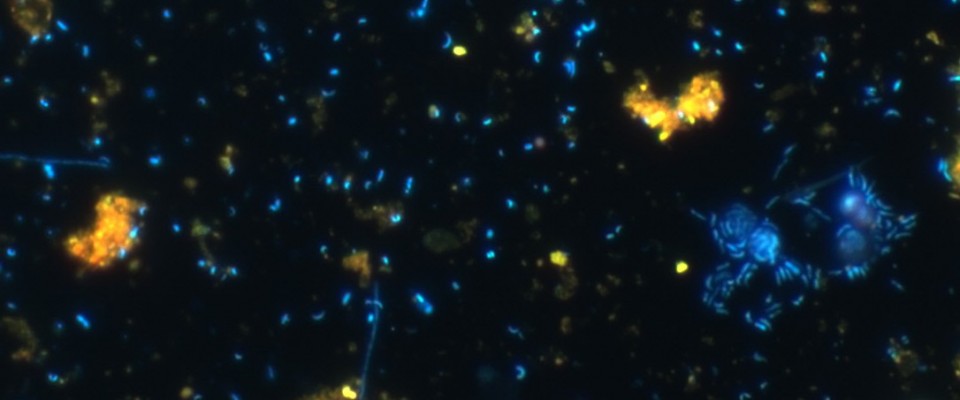
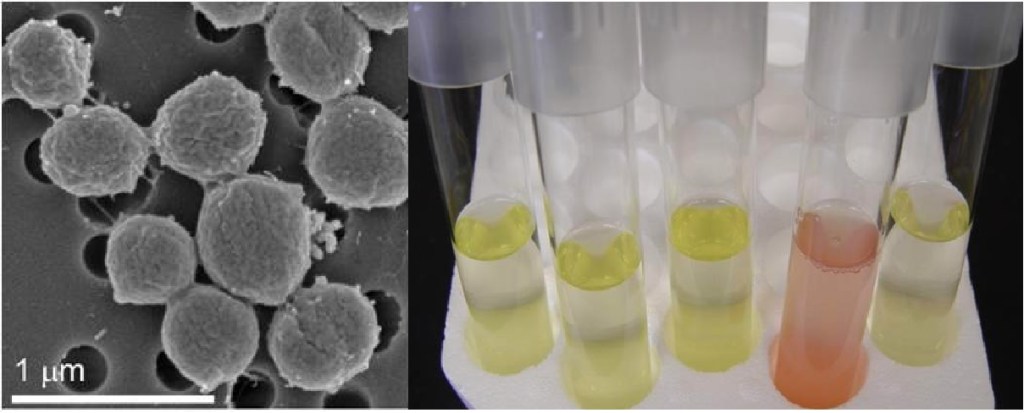
The Johnson Lab broadly studies the abundance, diversity and activity of marine microbes. We are biological (microbial) oceanographers, marine molecular ecologists, marine microbiologists, applied phycologists, and biogeochemists. Our environmental research, which is at the intersection of marine ecology and biogeochemistry, focuses on the marine cyanobacteria Synechococcus and Prochlorococcus, the most abundant phytoplankton in the open oceans and an excellent model marine microbe. We also have substantial efforts in the biotechnological application of marine microalgae for aquaculture towards the sustainable production of feed, food and fuel. A live feed of our outdoor cultivation facility is here. We are at the Marine Laboratory, which is part of the Nicholas School of the Environment at Duke University.
News
Our latest updates from the field, lab, conferences, publications, outreach and more.
-
New Website
We’re still at Duke University, but have moved our website to an externally hosted platform. Please be patient while we work through the kinks…
-
PUBLICATION: Evidence for Kilometer-Scale Biophysical Features at the Gulf Stream Front
Understanding the interplay of ocean physics and biology at the submesoscale and below (<30 km) is an ongoing challenge in oceanography. While poorly constrained, these scales may be of critical importance for understanding how changing ocean dynamics will impact marine ecosystems. Fronts in the ocean, regions where two disparate water masses meet and isopycnals become tilted…
-
PUBLICATION: A Gulf Stream frontal eddy harbors a distinct microbiome compared to adjacent waters
Mesoscale oceanographic features, including eddies, have the potential to alter productivity and other biogeochemical rates in the ocean. Here, we examine the microbiome of a cyclonic, Gulf Stream frontal eddy, with a distinct origin and environmental parameters compared to surrounding waters, in order to better understand the processes dominating microbial community assembly in the dynamic…
 Ocean Microbes Group